Search This Blog
Showing posts with label NC. Show all posts
Sunday, May 31, 2015
Bubble Gum
Chewing gum has been around for a very long time, dating back almost 9,000 years ago! There is some evidence that North Europeans were chewing birch bark tar for enjoyment and possibly to relieve toothaches. The Ancient Mayan and Aztec chewed on chicle which comes from sapodilla trees while in North America Indians chewed on spruce tree resin which continued with European settlers.
In 1840 John Curtis developed the first commercial spruce tree gum and in the 1850's he made the first chewing gum factory. But, spruce tree gum did not do well because it didn't taste that good and would become brittle when chewing which lead to the switch to paraffin wax. Soon after that Thomas Addams got his hands on chicle which helped him form a chewing gum company around 1880 but in the mid 1900's all gum manufactures had switched to synthetic materials.
Competition soared in the gum industry and every gum manufacturer was trying to develop new gum or ways to sell their gum to beat out their competition. Frank Fleer who had been in the gum industry since around 1885 wanted his product to stand out so he worked long and hard on trying to make a product that could blow bubbles. In 1906 he developed a chewing gum called Blibber-Bubbler but it was too sticky to blow into bubbles. It wasn't until 1928 that a Fleer employee named Walter Diemer accidentally made the right concoction to create the perfect bubble with chewing gum! It was named Dubble-Bubble
Walter Diemer wanted to test his new recipe so he took some gum over to a local store and it sold out by the end of the first day! To help sell the new gum Diemer taught store salesmen how to blow the perfect bubble so they could show people coming in who were interested.
Today gum is sold in many different flavors and shapes but Bubble Gum is usually pink, just like it was when Diemer first invited Dubble-Bubble.
Source: http://www.history.com/news/hungry-history/chew-on-this-the-history-of-gum
-SugarPop's Candy & Soda
248 N. Main Street
Historic Downtown
Mooresville, NC
(704)799-0959
Friday, May 8, 2015
Red Hots or Cinnamon Imperials?
Red Hots or Cinnamon Imperials are a candy that everyone is familiar with. With their bright red color and spicy cinnamon smell and taste its hard to overlook this delicious candy!
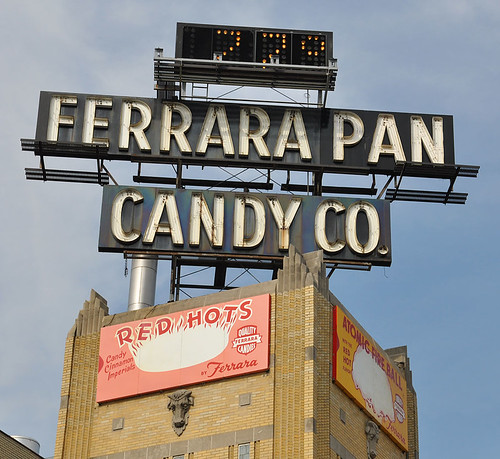
This spicy candy has been around for ages! Ferrara Pan Candy company was the first to manufacture these candies under the name of Cinnamon Imperials in 1932. Ferrara Pan Candy company is still the one and only company to manufacture the now Red Hots, once Cinnamon Imperials. Cinnamon Imperials are now sold as a general brand by many candy distributers.
Since Red Hots have been around since 1932 they have a large fan base! Not only can you eat these candies in their natural form but people are now using them to spice up their Jell-O or apple sauce to give it a nice spicy cinnamon flavor! Do you have any special Red Hot recipes?
-SugarPop's Candy&Soda shop
248 N Main St
Mooresville, NC 28115 (704) 799-0959
Labels:
bulk candy,
candy facts,
candy history,
candy store,
charlotte,
cinnamon imperials,
downtown mooresville,
lakenorman nc,
mooresville candy store,
mooresville nc,
NC,
north carolina,
red hots
Location:
Mooresville, NC, USA
Friday, April 24, 2015
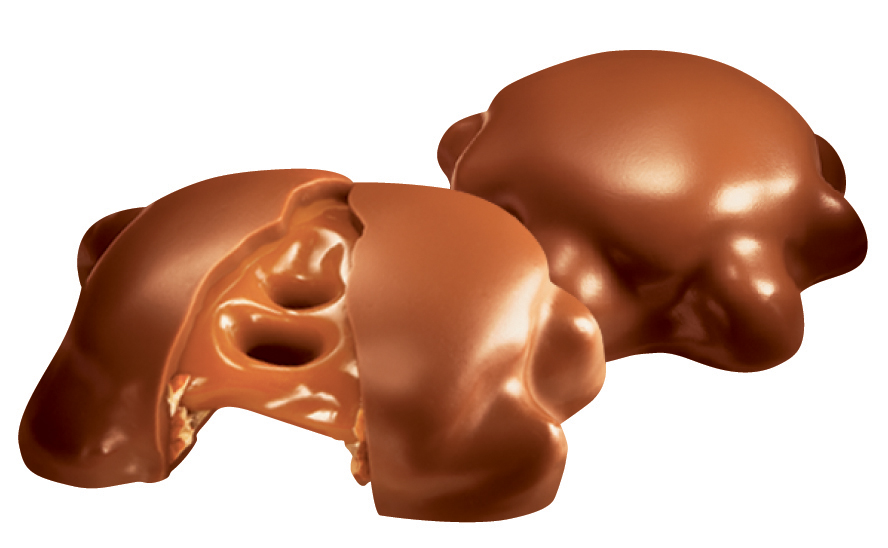
Chocolate Turtles
There is nothing better than the classic combination of chocolate, caramel, and nuts. This combination is used in a variety of candies and chocolate bars.
Peanuts tend to be the choice nut for candies but in 1916 George Demet created the classic Turtle by adding pecans instead of peanuts in the city of Chicago. Just pecans dipped in chocolate was popular in the 1900's but Demet was the first to trademark this candy combination. It wasn't until 1918 that Turtles got their "turtle" name. A salesman went into the dipping room and pointed out to the dippers that the candy looked just like a turtle.
Today, Turtles are owned by Yildiz Holding and to keep up with demand they use 7,000 tons of chocolate and 13,000 tons of nuts! Not only do they come in their classic form, but they also come with cashews, sea salt caramel, dark almond, and hazelnut varieties!
-SugarPop's Candy
Peanuts tend to be the choice nut for candies but in 1916 George Demet created the classic Turtle by adding pecans instead of peanuts in the city of Chicago. Just pecans dipped in chocolate was popular in the 1900's but Demet was the first to trademark this candy combination. It wasn't until 1918 that Turtles got their "turtle" name. A salesman went into the dipping room and pointed out to the dippers that the candy looked just like a turtle.
Today, Turtles are owned by Yildiz Holding and to keep up with demand they use 7,000 tons of chocolate and 13,000 tons of nuts! Not only do they come in their classic form, but they also come with cashews, sea salt caramel, dark almond, and hazelnut varieties!
-SugarPop's Candy
Friday, April 10, 2015
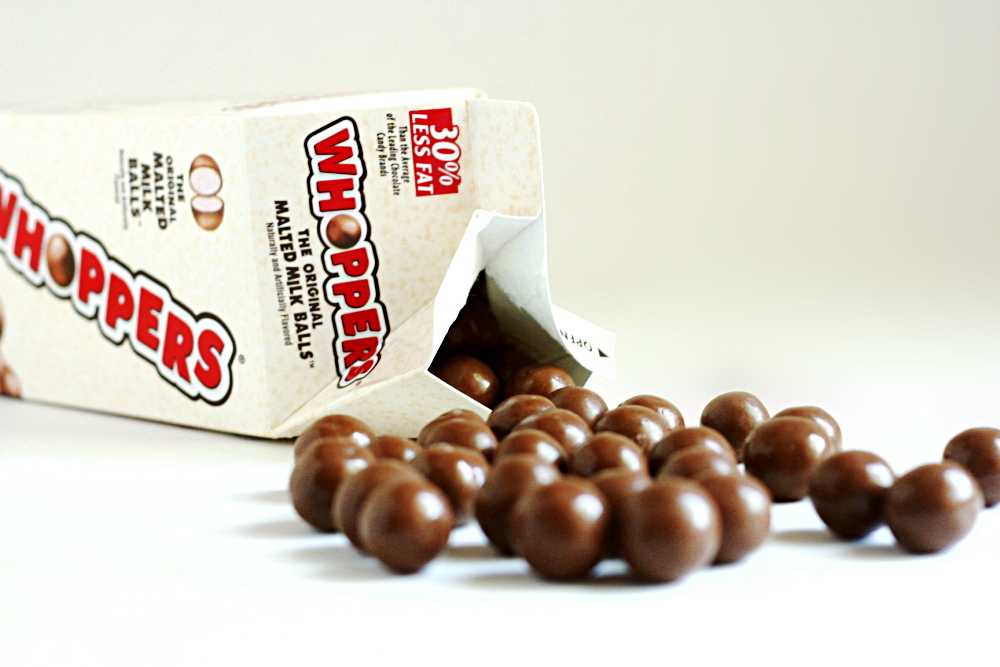
Whoppers
Whoppers are a classic and unique candy that can be found almost anywhere and is a great movie
theater candy!
These classic treats have a long history dating all the way back to 1887. In 1887, William Horlock created the very first malted milk powder in England which he had planned on marketing as a health food. Malted milk powder quickly became a staple sweetener for everything! The first chocolate covered malted milk ball came about in 1936 when Forrest Malt created Malteasers.
It wasn't until 1939 that Whoppers was introduced to the U.S under the name Giants by Overland Candies company. 10 years later Giants became Whoppers for seemingly no reason but the name stuck! When Whoppers first became available they were sold individually unwrapped until cellophane came along and then they were sold in sleeves. In 1950 the milk carton packaging came through and have stuck with Whoppers ever since. Today Whoppers not only come in the classic chocolate flavor but also Strawberry Milkshake and Reese's Peanut Butter Cup!
Tuesday, March 31, 2015
Easter candy facts!
Easter is right around the corner! Do you have your easter baskets ready?
1.) Chocolate bunnies are a must have for any easter basket! Or maybe you prefer Peeps? More than 700 million Peeps, marshmallow bunnies, and marshmallow eggs are bought each easter season! This makes these tasty marshmallow treats the most popular non-chocolate item.
2.) 90 million chocolate bunnies are produced every year! Do you prefer milk or dark chocolate?
3.) Chocolate bunnies should be eaten ears first, according to 76% of Americans. Five percent said bunnies should be eaten feet first, while 4% favored eating the tail first.
4.) In 1953, it took 27 hours to create a marshmallow Peep. Now it takes about six minutes and about 5 million assorted Peeps are made each day in preparation for Easter.
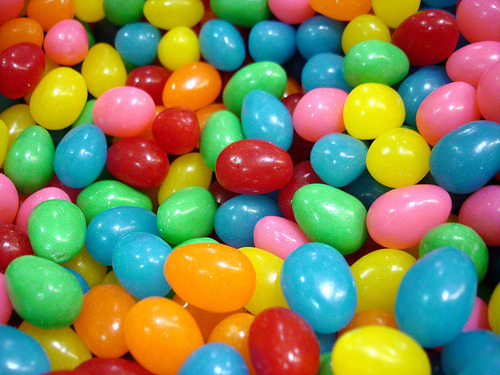
5.) If we took all the Jellybeans that American's consume on Easter and lined them up end to end it would circle the earth nearly three times!
6.) What is your favorite Jellybean to eat on Easter? Children voted for their favorite jellybeans and the votes were: cherry (20%), strawberry (12%), grape (10%), lime (7%), and blueberry (6%).
7.) 70% of Easter candy bought is chocolate.
8.) Easter is the second most popular candy holiday right after Halloween, beating out Valentines day by almost more than a billion dollars!
Candy isn't just for eating anymore! Try dyeing your easter eggs with some candy this year!
Now&Later's
-12 Now&Later candies (separate colors)
-2 cups of water
-1 tbsp of vinegar
Boil 2 cups of water with 1 tbsp of vinegar, add the Now&Laters and let simmer for 15 minutes. Strain into a mug or dish for dyeing.
Red Hots
-7 ounces of Red Hots (3/4 cups + 2 tablespoons)
-2 cups of water
-1 tbsp of vinegar
Boil 2 cups of water with 1 tbsp of vinegar, add the Red Hots and let simmer for 15 minutes. Strain into a mug or dish for dyeing
-SugarPop's Candy & Soda shop
248 N Main St, Mooresville, NC 28115
(704) 799-0959
1.) Chocolate bunnies are a must have for any easter basket! Or maybe you prefer Peeps? More than 700 million Peeps, marshmallow bunnies, and marshmallow eggs are bought each easter season! This makes these tasty marshmallow treats the most popular non-chocolate item.
2.) 90 million chocolate bunnies are produced every year! Do you prefer milk or dark chocolate?
3.) Chocolate bunnies should be eaten ears first, according to 76% of Americans. Five percent said bunnies should be eaten feet first, while 4% favored eating the tail first.
4.) In 1953, it took 27 hours to create a marshmallow Peep. Now it takes about six minutes and about 5 million assorted Peeps are made each day in preparation for Easter.
5.) If we took all the Jellybeans that American's consume on Easter and lined them up end to end it would circle the earth nearly three times!
6.) What is your favorite Jellybean to eat on Easter? Children voted for their favorite jellybeans and the votes were: cherry (20%), strawberry (12%), grape (10%), lime (7%), and blueberry (6%).
7.) 70% of Easter candy bought is chocolate.
8.) Easter is the second most popular candy holiday right after Halloween, beating out Valentines day by almost more than a billion dollars!
Candy isn't just for eating anymore! Try dyeing your easter eggs with some candy this year!
Now&Later's
-12 Now&Later candies (separate colors)
-2 cups of water
-1 tbsp of vinegar
Boil 2 cups of water with 1 tbsp of vinegar, add the Now&Laters and let simmer for 15 minutes. Strain into a mug or dish for dyeing.
Red Hots
-7 ounces of Red Hots (3/4 cups + 2 tablespoons)
-2 cups of water
-1 tbsp of vinegar
Boil 2 cups of water with 1 tbsp of vinegar, add the Red Hots and let simmer for 15 minutes. Strain into a mug or dish for dyeing
-SugarPop's Candy & Soda shop
248 N Main St, Mooresville, NC 28115
Labels:
bulk candy,
candy blog,
candy facts,
candy store,
charlotte,
downtown mooresville,
easter,
lakenorman,
mooresville,
NC,
north carolina,
sugarpop's,
sugarpop's candy,
visit charlotte,
visit lakenorman
Location:
Mooresville, NC, USA
Thursday, March 19, 2015
SugarPop's Easter event, & Summer Camp
Join us for our free Easter event and Summer Camp!
Easter "Hop"penings!
Sunday, March 29th
12:00pm-4:00pm
Join us for face painting, treats, and free pictures with the Easter Bunny while he visits us in store!
Located at SugarPop's Candy and Soda Shop
248 North Main Street
Downtown Mooresville, NC
SugarPop's Summer Camp!
SugarPop's summer camp is fun for everyone! Enjoy our fun activities such as making your candy sculpture and competing in candy competitions and games! Each day is filled with a new candy fact, craft, and project. Kids will have a chance to learn about candy as well as interact with new friends!
Ages 5-8
July 6th-10th
July 27th-31st
Ages 9-12
July 13th-17th
August 3rd-7th
Register today by emailing, visiting, or calling the store today!
(704)799-0959
Located at SugarPop's Candy and Soda Shop
248 North Main Street
Downtown Mooresville, NC
Thursday, February 26, 2015
How to make your snow day sweeter!
The snow is upon us again! Maybe you're snowed in and maybe you aren't but nothing makes a snow day better than something sweet both you and your kids can enjoy. We gathered up a few fun and simple candy treats and activities to help you curb your sweet tooth while we are closed today.
1.) Melted candy bar hot chocolate
Okay, so nothing really gets any better then this. After a long day of playing in the snow everyone wants something warm to snuggle up with and Momtastic has the perfect recipe!
Heres what you need: A chocolate bar of your choice, milk, whipped cream for garnish, and other candies for garnish.
Serving size: 2
- 1/2 cup chopped up chocolate bar
- 1 3/4 cup of milk
- 1/4 cup of candy to garnish
Combine the milk and chopped up chocolate bar together in a pot over medium heat and whisk until chocolate is melted and everything is mixed together.
Remove from heat, pour into your favorite mug, and garnish as you please!
1.) Melted candy bar hot chocolate
Okay, so nothing really gets any better then this. After a long day of playing in the snow everyone wants something warm to snuggle up with and Momtastic has the perfect recipe!
Heres what you need: A chocolate bar of your choice, milk, whipped cream for garnish, and other candies for garnish.
Serving size: 2
- 1/2 cup chopped up chocolate bar
- 1 3/4 cup of milk
- 1/4 cup of candy to garnish
Combine the milk and chopped up chocolate bar together in a pot over medium heat and whisk until chocolate is melted and everything is mixed together.
Remove from heat, pour into your favorite mug, and garnish as you please!
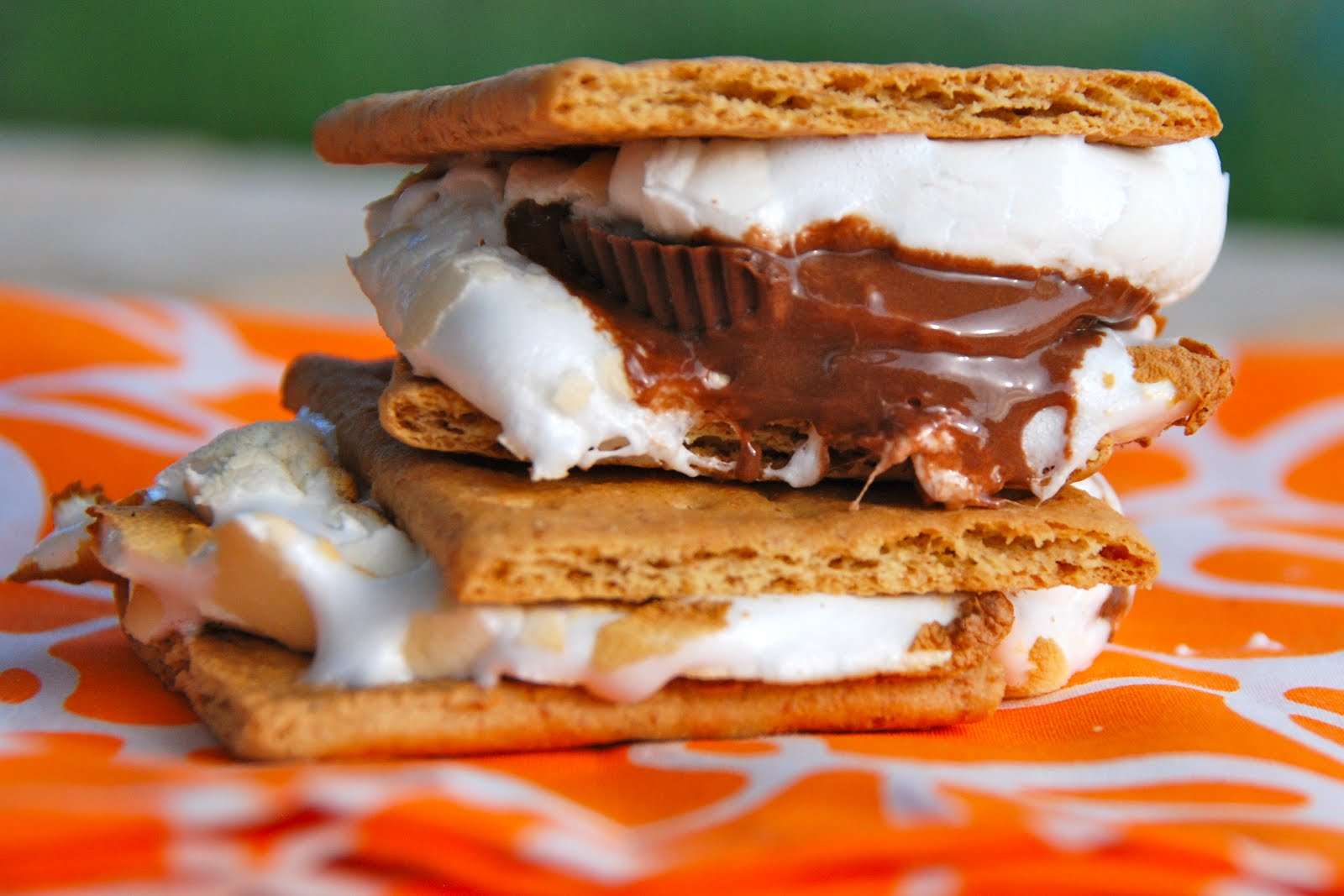
2.) Reese's S'mores
We love s'mores here at SugarPop's, we have s'more buffets, in house s'more toasting, and we can even make you s'mores to give as gifts and favors! We know you love s'mores, so as a small gift from us to you, we are going to teach you how to step up your s'more game in a very very easy way.
Here's what you need: Marshmallows, graham crackers, and reese's peanut butter cups.
Toast your marshmallows how you like them, you can either do this by fire or by wrapping marshmallows in tin foil and toasting them in the oven. Next, carefully assemble your S'more: graham cracker, reese's peanut butter cup, marshmallow, and then graham cracker!
Candy activities!
Maybe the snow isn't for you or you want to keep the fun going after you've come inside from the cold!
1.) Glossy skittles paint
Here's what you need: craft paint brushes, skittles, small plastic jars or cups, corn syrup.
First divide skittles up into different jars according to their color. Add corn syrup over the skittles until they are completely covered. Next, you wait. Some colors may start to divide their pigment before others, so wait a few hours for everything to completely divide.
Now, paint what ever you please! These paints smell delicious and look beautiful and glossy! You can paint these on regular paper but card stock works best. Set them aside to dry, depending on how thick the paint is it could take a day or two to completely dry.
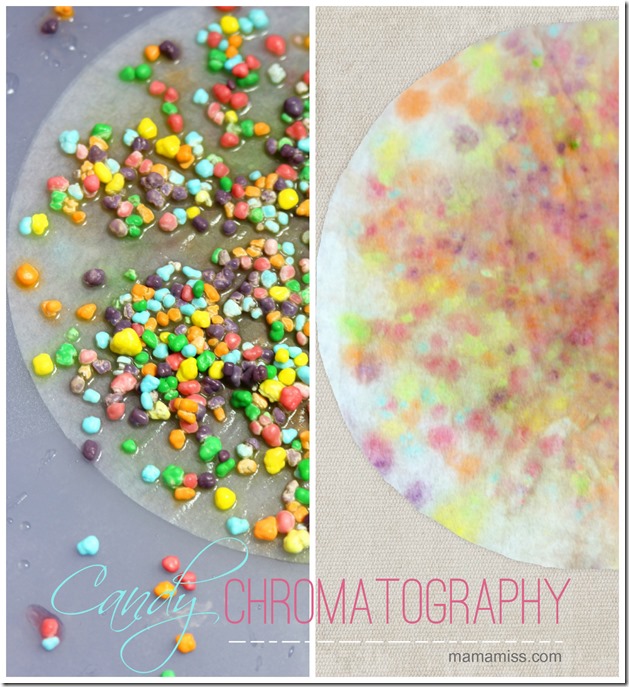
2.) Candy chromatography from Mama Miss
Here's what you need: Nerds, water, and coffee filters.
In this activity you will be separating the dye from the nerds onto the coffee filter to create colorful sheets of paper!
For the best results you should use two coffee filters and less water.
Lay nerds out onto your coffee filter and carefully drop water over the nerds. Wait 30 seconds to a minute in between drops. Keep adding nerds little by little, dropping water over them, and repeat until your whole coffee filter is covered with beautiful color!
After the nerds dye is mostly washed off the nerds, remove them from the filter and throw them away. Hang your coffee filters to dry and enjoy the color pointillism!
Make sure to stay safe and warm on this snow day!!
-SugarPop's Candy
248 North Main St.
Labels:
candy activity,
candy hot chocolate,
candy shop mooresville,
candy store charlotte,
charlotte,
mooresville,
NC,
north carolina,
soda shop,
sugarpops candy
Location:
Mooresville, NC, USA
Monday, February 9, 2015
Jaw Breaker
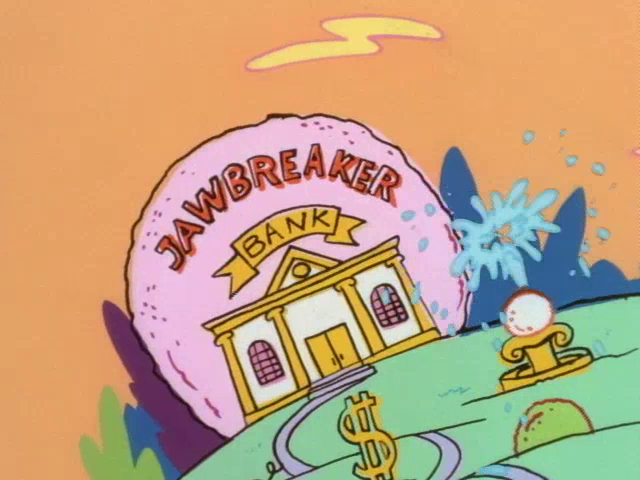
We have all had a jawbreaker in our lifetime and I think everyone can agree that a jawbreaker is a real commitment! Jawbreakers can range from the size of a small pebble to as big as a golf ball, some are hard all the way through and some have soft chewy centers. Here at SugarPop's we have brightly colored and marbled jawbreakers the size of golfballs and tiny jawbreaker that have a soft chewy center.
Jawbreakers, or gobstoppers, rose to popularity due to Ferrari Pan Candy Company in Forest Park, Illinois. The term gobstopper comes from British slang being that gob refers to ones mouth and jawbreaker refers to how hard the candy is and how it can cause a substantial amount of dental problems due to the high sugar count and if one where to chomp down onto the jawbreaker. These candies can take a few hours to dissolve or weeks depending on their size or how determined a purchaser is. Jawbreakers take about a week to manufacture due to the many layers of sugar and color that has to be added to get the giant size and flavor!
Fun trivia:
The cartoon Ed, Edd n Eddy, featuring three adolescent boys, had many episodes centered around the three boys trying different schemes to obtain a jawbreaker and in 2003 they released an Ed, Edd n Eddy game called Jawbreakers that centers around you trying to obtain 100 different jawbreaker flavors!
See how Jawbreakers are made!
Labels:
candy history,
candy store,
charlotte,
history,
jawbreaker,
mooresville,
NC,
north carolina,
sugarpops candy
Location:
Mooresville, NC, USA
Monday, January 26, 2015
Gummy candy!
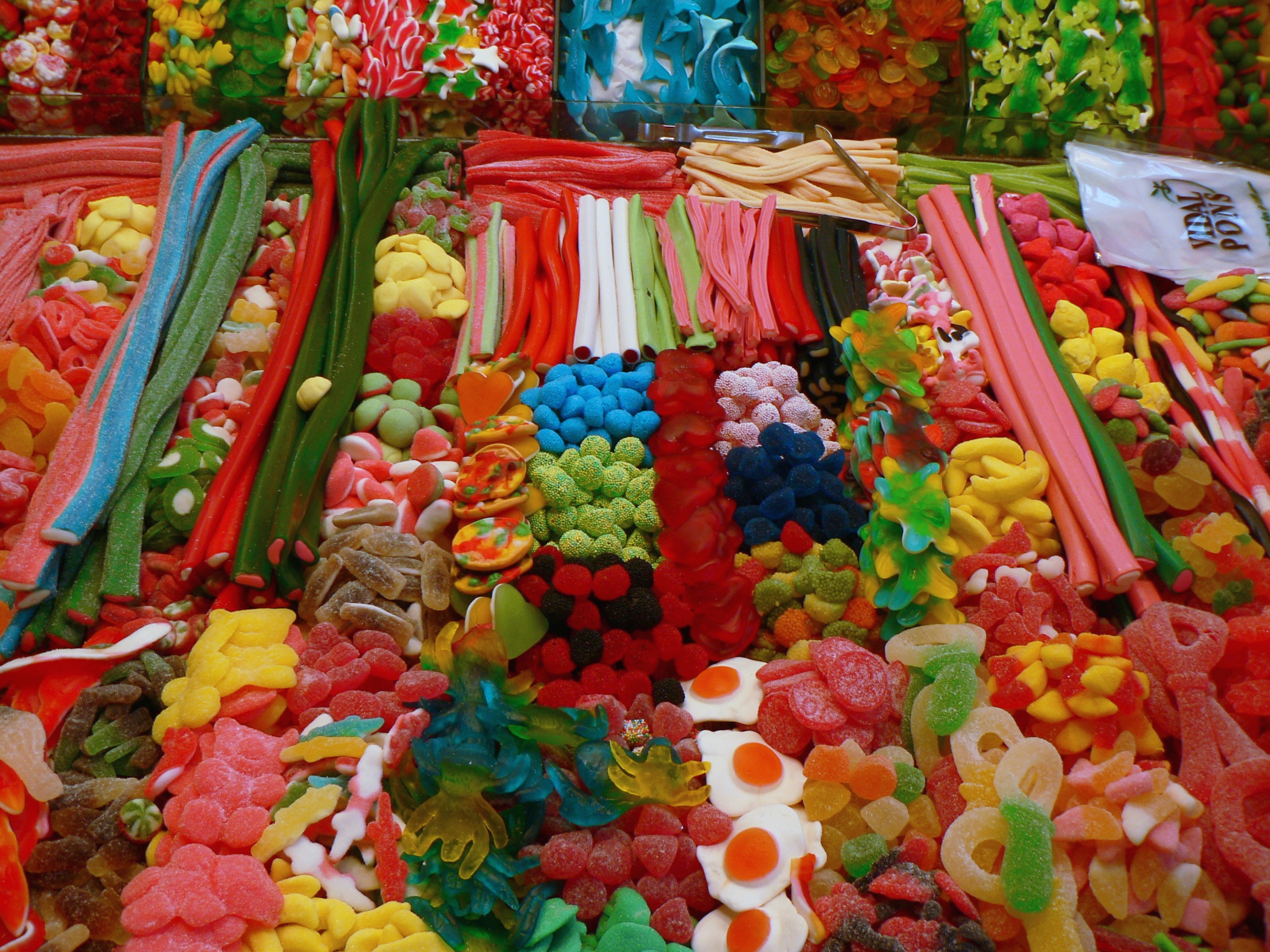
Here at SugarPop's we don't mess around with our gummy candy! We have more then just your average gummy bears and worms, we have sharks, whales, army men, teeth, brains, chicken feet and much more! Gummy candy has a short and sweet history but it is one of the most popular candies today!
The first gummy candy was invented by Hans Riegel when he invented the gummy bear during the 1920's. He owned the German candy company Haribo and went on the manufacture the first American gummy candy in 1982. In 1981, another German gummy candy manufacturer under the name of Trolli made the very first gummy worm, which soon became the most popular gummy candy ever made!
Here is a brief history and some facts about other popular gummy candies!
Bottles
Bottles are sweets in the shape of classic Coca-Cola-style bottles with a cola flavor. They are produced by numerous companies. "Fizzy Blue Bottles", made by Lutti (formerly part of the French division of the Leaf Candy Company, now controlled by a private investment group), are sweets typically found in a pick and mix selection. They are very similar to cola bottle gummies in shape, but blue and pink colored and usually sour. "Blue Bottles", a variation from another company, have small rims around the sides, and are chewier and thicker, with a sweeter taste.
Rings
Ring-shaped gummy candy is often covered in sugar or sour powder. The most common and popular flavor is the peach ring, but other flavors include green apple, melon, blue raspberry, strawberry, and aniseed - although these are typically coated in chocolate. A commonly known producer of gummy rings is Trolli, for which the gummy rings are an important asset.
Red frogs
In Australia, jelly confectionery in the shape of frogs has been very popular since the 1930s. They are colored red or green, although they are usually referred to as "red frogs".
Road kill gummies
In February 2005, following complaints by the New Jersey Society for the Prevention of Cruelty to Animals, Kraft decided to stop production of the controversial Trolli U.S. Road Kill Gummies. The society complained that the products, shaped as partly flattened squirrels, chickens and snakes, would give children an incorrect message on the proper treatment of animals.
Teeth gummies
In Australia, jelly confectionery in the shape of teeth has been very popular since the 1930s. They are colored pink and white, with pink representing the gums and teeth being white. They have a slight minty flavor, similar to mint toothpaste.
The first gummy candy was invented by Hans Riegel when he invented the gummy bear during the 1920's. He owned the German candy company Haribo and went on the manufacture the first American gummy candy in 1982. In 1981, another German gummy candy manufacturer under the name of Trolli made the very first gummy worm, which soon became the most popular gummy candy ever made!
Here is a brief history and some facts about other popular gummy candies!
Bottles
Bottles are sweets in the shape of classic Coca-Cola-style bottles with a cola flavor. They are produced by numerous companies. "Fizzy Blue Bottles", made by Lutti (formerly part of the French division of the Leaf Candy Company, now controlled by a private investment group), are sweets typically found in a pick and mix selection. They are very similar to cola bottle gummies in shape, but blue and pink colored and usually sour. "Blue Bottles", a variation from another company, have small rims around the sides, and are chewier and thicker, with a sweeter taste.
Ring-shaped gummy candy is often covered in sugar or sour powder. The most common and popular flavor is the peach ring, but other flavors include green apple, melon, blue raspberry, strawberry, and aniseed - although these are typically coated in chocolate. A commonly known producer of gummy rings is Trolli, for which the gummy rings are an important asset.
Red frogs
In Australia, jelly confectionery in the shape of frogs has been very popular since the 1930s. They are colored red or green, although they are usually referred to as "red frogs".
Road kill gummies
In February 2005, following complaints by the New Jersey Society for the Prevention of Cruelty to Animals, Kraft decided to stop production of the controversial Trolli U.S. Road Kill Gummies. The society complained that the products, shaped as partly flattened squirrels, chickens and snakes, would give children an incorrect message on the proper treatment of animals.
Teeth gummies
In Australia, jelly confectionery in the shape of teeth has been very popular since the 1930s. They are colored pink and white, with pink representing the gums and teeth being white. They have a slight minty flavor, similar to mint toothpaste.
How gummy candy is made
Monday, January 19, 2015
Now and Later fun facts!
Now and Later Fun facts!
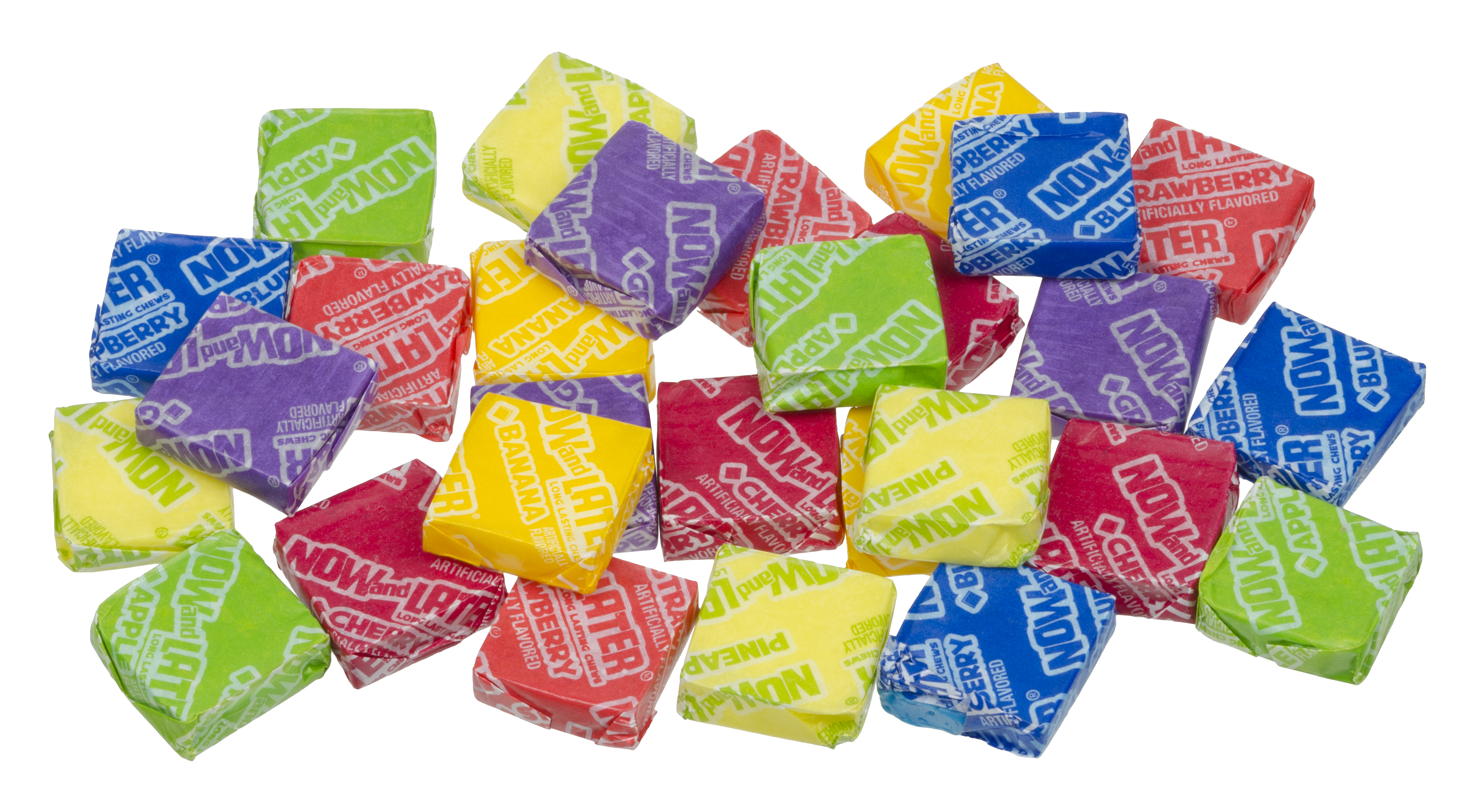
- Although the most common flavors you see are the Cherry, Watermelon, Strawberry, and Grape there are actually twelve flavors in production.
- The production of Now and Later's can date back to around 1862
- The slogan "Hard 'N Fruity Now and Soft 'N Chewy Later" found on each square's wrapping, replaced the original "Eat Some Now, Kid."
- It is was a ten-cent candy bar of nine beige-colored squares
- It was originally produced by a woman- Josephine Klein
- Now and Later was named after the fact that consumers could enjoy most of the candy "now" and still have some for later!
Here is a list of all the Now and Later candy flavors ever produced. Would you want to try all of these?
|
Labels:
candy,
candy facts,
charlotte,
NC,
now and later,
SugarPops,
sugarpops candy
Location:
Mooresville, NC, USA
Monday, January 12, 2015
Chocolate truffles
Anyone who has been into SugarPop's knows about our chocolate truffle case. It is filled with beautifully decorated and rich chocolate truffles of all kinds! Any chocolate connoisseur is familiar with the different shapes, sizes, and taste of truffles, but did you know that size, shape, and filling helps differentiate between three very different types of truffles?
This rich and delicious treat is thought to be first created by N. Petrucelli in Chambéry, France in 1895. His truffles became popular with the public with the establishment of Prestat chocolate shop in London by Antoine Dufour in 1902. Today there are three main types of chocolate truffles: American, European, and Swiss:
The "American truffle" is a half-egg shaped chocolate-coated truffle, a mixture of dark or milk chocolates with butterfat and, in some cases, hardened coconut oil. Joseph Schmidt, a San Francisco chocolatier, and founder of Joseph Schmidt Confections, is credited with its creation in the mid-1980s.
"Sweet surrender", Los Angeles Times, February 8, 2006
The "European truffle" is made with syrup and a base made up of cocoa powder, milk powder, fats, and other such ingredients to create an oil-in-water type emulsion.
The "Swiss truffle" is made by combining melted chocolate into a boiling mixture of dairy cream and butter, which is poured into molds to set before sprinkling with cocoa powder. Like the French truffles, these have a very short shelf-life and must be consumed within a few days of making.
Chocolate, Cocoa, and Confectionery: Science and Technology by Bernard W. Minifie (1999), page 545.
Along with these three main types of truffles there are also various other kind of truffles:
The "California truffle" is a larger, lumpier version of the French truffle, first made by Alice Medrich in 1973 after she tasted truffles in France. She sold these larger truffles in a charcuterie in the "Gourmet Ghetto" neighborhood of Berkeley, then in 1977 she began selling them in her own store, Cocolat, which soon expanded into a chain. The American craze for truffles started with Medrich
A Canadian variation of the American truffle, known as the Harvey truffle, includes the addition of graham cracker crumbs and peanut butter.
The "French truffle" is made with fresh cream and chocolate and then rolled into cocoa or nut powder
The "Belgian truffle" or praline is made with dark or milk chocolate filled with ganache, buttercream or nut pastes
"Chocolate Truffle." Wikipedia. Wikimedia Foundation, n.d. Web. 04 Jan. 2015
Here is a brief video on how chocolatier's hand make chocolate truffles!
This rich and delicious treat is thought to be first created by N. Petrucelli in Chambéry, France in 1895. His truffles became popular with the public with the establishment of Prestat chocolate shop in London by Antoine Dufour in 1902. Today there are three main types of chocolate truffles: American, European, and Swiss:
The "American truffle" is a half-egg shaped chocolate-coated truffle, a mixture of dark or milk chocolates with butterfat and, in some cases, hardened coconut oil. Joseph Schmidt, a San Francisco chocolatier, and founder of Joseph Schmidt Confections, is credited with its creation in the mid-1980s.
"Sweet surrender", Los Angeles Times, February 8, 2006
The "European truffle" is made with syrup and a base made up of cocoa powder, milk powder, fats, and other such ingredients to create an oil-in-water type emulsion.
The "Swiss truffle" is made by combining melted chocolate into a boiling mixture of dairy cream and butter, which is poured into molds to set before sprinkling with cocoa powder. Like the French truffles, these have a very short shelf-life and must be consumed within a few days of making.
Chocolate, Cocoa, and Confectionery: Science and Technology by Bernard W. Minifie (1999), page 545.
Along with these three main types of truffles there are also various other kind of truffles:
The "California truffle" is a larger, lumpier version of the French truffle, first made by Alice Medrich in 1973 after she tasted truffles in France. She sold these larger truffles in a charcuterie in the "Gourmet Ghetto" neighborhood of Berkeley, then in 1977 she began selling them in her own store, Cocolat, which soon expanded into a chain. The American craze for truffles started with Medrich
A Canadian variation of the American truffle, known as the Harvey truffle, includes the addition of graham cracker crumbs and peanut butter.
The "French truffle" is made with fresh cream and chocolate and then rolled into cocoa or nut powder
The "Belgian truffle" or praline is made with dark or milk chocolate filled with ganache, buttercream or nut pastes
"Chocolate Truffle." Wikipedia. Wikimedia Foundation, n.d. Web. 04 Jan. 2015
Here is a brief video on how chocolatier's hand make chocolate truffles!
He
Labels:
candy history,
charlottte,
chocolate,
chocolate truffle,
mooresville,
NC,
sugarpop's,
sugarpop's candy,
truffle
Location:
Mooresville, NC, USA
Monday, January 5, 2015
Blow Pops!
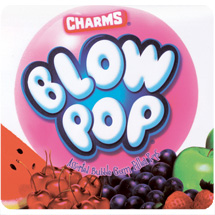
Blow pop's have been around for a long time and almost everyone is familiar with this fruity lollipop with a bubble gum center! This candy comes in many flavors such as; watermelon, cherry, grape, strawberry, sour apple, lemonade, orange, tangerine-mango, black cherry, blue raspberry, cherry ice and kiwi-strawberry. Originally they were called "Triple Treat" by their original manufacturer Triple T Candy Company in 1969 and in 1973 they were re-branded under the name "Charms Blow Pop".
Walter W. Reid Jr. founded the Tropical Charms candy company in Bloomfield, New Jersey in 1912 in reference to the square shaped hard candy they sold, but shortened the name to Charms. Blow Pops are nut-free, peanut-free, gluten-free and during World War II the U.S Army included Charms's candies in combat rations as a supplement; the tradition has continued only with a few interruptions.
Walter Reid III, the son of the founder, took control of the company and soon made it the leading producer of hard candy in the world. When they invented the Charms Blow Pop, it was the first ever gum filled lollipop in the world.
In 1988 the Charms candy company was sold to the Tootsie Roll company where they then produced the Tootsie Pop and became the largest lollipop manufacturer in the world.
Walter W. Reid Jr. founded the Tropical Charms candy company in Bloomfield, New Jersey in 1912 in reference to the square shaped hard candy they sold, but shortened the name to Charms. Blow Pops are nut-free, peanut-free, gluten-free and during World War II the U.S Army included Charms's candies in combat rations as a supplement; the tradition has continued only with a few interruptions.
| Lucille LaCapra is shown performing a quality-control weight check on candy manufactured by the Charms Candy Co. of Bloomfield in a photo from the late 1960s. |
Walter Reid III, the son of the founder, took control of the company and soon made it the leading producer of hard candy in the world. When they invented the Charms Blow Pop, it was the first ever gum filled lollipop in the world.
In 1988 the Charms candy company was sold to the Tootsie Roll company where they then produced the Tootsie Pop and became the largest lollipop manufacturer in the world.
Labels:
blow pop's,
candy,
candy history,
charms,
NC,
sugarpop's,
sugarpops candy
Location:
Mooresville, NC, USA
Saturday, December 27, 2014
Fairy floss or Cotton candy?
It comes in various colors, flavors, and sizes that no kid
can resist; sticky and sweet cotton candy! Everyone has enjoyed this fluffy
treat at least once in their lifetime whether it be at a carnival, circus, or
at a fundraiser, but did you know this sugary treat was co-invented by a
dentist?
Four men invented fairy floss, now it is called cotton
candy, in 1899: Thomas Patton, Josef Delarose Lascaux, John C. Wharton, and
William Morrison. They debuted their cotton candy at the St. Louis World’s Fair
and sold 68,655 boxes of cotton candy for 25 cents a box! That totaled to $17,163.75,
which comes out to $411, 243.45 in modern day payment, which is quite a bit of
money for the 1900’s. Sugar used to cost about four cents a pound, so they were
practically spinning gold!
About 50 years later in 1949, Gold Metal Products invented
and launched a new type of cotton candy machine that was more dependable and
easier to use. From that point on cotton candy became a staple at any fair,
circus, fund raisers, etc..
-SugarPop's
248 N. Main Street
Mooresville, NC
28117
(704)799-0959
Tuesday, September 30, 2014
Salt water taffy!
Many people enjoy salt-water taffy, but it was created by
accident! In 1883 David Bradley’s candy store was flooded by a major storm and
his taffy got soaked in salty Atlantic Ocean water. When a young girl came into
the store asking for taffy Bradley jokingly offered her his new “salt-water
taffy” but the young girl loved it and the name stuck. It wasn’t until Joseph
Franlinger boxed up the candy and sold it as an Atlantic City souvenir that it
became popular. Enoch James was Franlinger’s first major competition because he
perfected the recipe making it less sticky and easier to unwrap, sold the candy
in bite size pieces and mechanized the pulling process for taffy. Although the first salt water taffy was sold
because it was soaked in salt water, there is no salt water in modern salt
water taffy today.
![]() |
| Customers buying salt water taffy in Atlantic city |
| Taffy Puller |
-SugarPop's Candy and Soda shop
248 N Main St Mooresville, NC 28115
(704) 746-3166
Labels:
bulk candy,
bulk candy store,
candy history,
downtown mooresville,
lakenorman,
NC,
salt water taffy,
sugarpop's candy,
sugarpop's candy and soda shop,
taffy
Location:
Mooresville, NC, USA
Subscribe to:
Posts (Atom)